Choosing Your First Pair of Boots for the Leather Scene: Height, Style, Fit, and Budget
There’s something about putting on your first pair of serious boots. The weight of the leather, the sound of your heels against the floor, and the way a tall shaft changes your silhouette can make an ordinary outfit feel like gear.
For many gay men entering the Leather scene, boots are among the first pieces that feel like a real expression of identity. They’re part of the classic Leatherman look, but their appeal goes beyond tradition. Boots can express masculinity, confidence, attraction, authority, or simply a love of well-made leather.
But where do you start? With so many heights, styles, brands, and prices, choosing your first pair can be intimidating.
At BootWerks, we believe your first boots should reflect who you are, fit your body, and suit the way you intend to wear them. You don’t need the tallest or most expensive pair to belong in the Leather community.
Here’s what you should know before making your first purchase.
Why Boots Matter in Leather Culture
Boots have a long association with military uniforms, motorcycle culture, working men, and the masculine imagery that helped shape modern gay Leather culture.
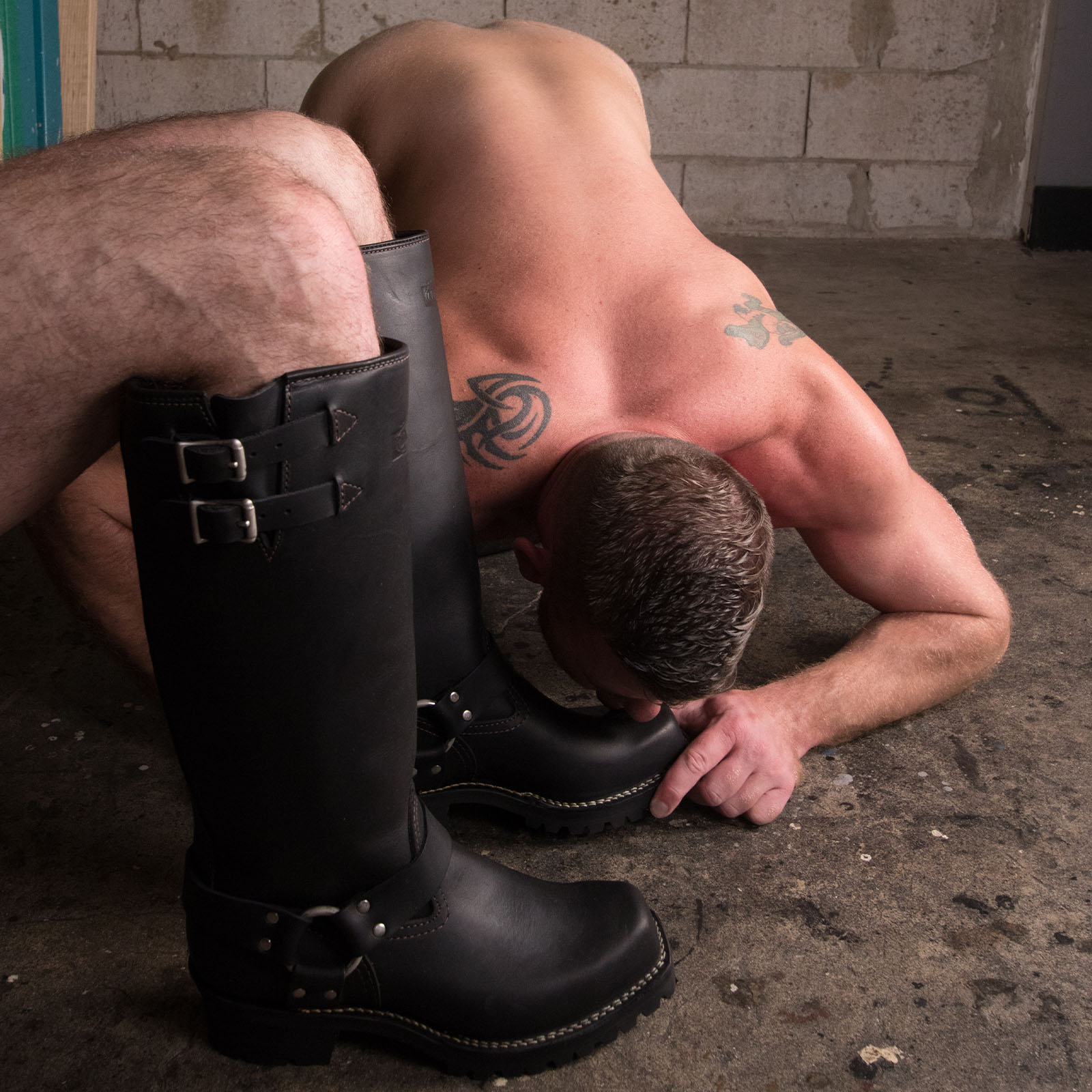
Over time, they’ve become an important part of Leather identity. For some, boots represent discipline and authority. For others, they’re about personal style, attraction, boot worship, or the ritual of getting dressed in gear.
You might be drawn to the polished appearance of tall engineer boots, the rugged character of harness boots, or the unmistakable look of tightly laced combat boots.
There’s no single correct choice.
Your boots don’t determine your experience, identity, or role within the community. A submissive can wear towering engineer boots just as confidently as a dominant, and an experienced Leatherman might prefer a simple pair of ankle-high boots.
The best first pair is one you’ll actually enjoy wearing.
Step 1: Choosing the Right Boot Height
Boot height is one of the first decisions you’ll make. It affects the appearance of your outfit, how the boots interact with your clothing, and what you’ll need to consider when finding the right fit.
Short Boots: Approximately 6 to 10 Inches
Shorter boots are a practical introduction to Leather footwear.
They can be worn with jeans, leather pants, or casual clothing without requiring a major change to your wardrobe.
Why choose shorter boots?
- Easier to incorporate into everyday outfits
- More ankle and lower-leg coverage than ordinary shoes
- Available in styles ranging from rugged work boots to sleek engineer boots
- A versatile option for bars, social events, and regular wear
For someone exploring the Leather scene while maintaining a more understated appearance, shorter boots can be an excellent starting point.
They also let you discover what you like about wearing substantial footwear before committing to taller styles.
Mid-Calf Boots: Approximately 11 to 14 Inches
This range offers a more pronounced boot silhouette without necessarily covering most of the calf.
Engineer and harness designs at these heights have a recognizable place in Leather and motorcycle-inspired wardrobes.
Mid-calf boots can create a substantial look with leather pants, jeans, or shorts, depending on their design.
Why choose mid-calf boots?
- A more prominent boot profile
- Strong visual presence without a full-height shaft
- Classic engineer and harness styling
- A useful middle ground between everyday wear and statement gear
For many first-time buyers, this range strikes an appealing balance between appearance and practicality.
Tall Boots: Approximately 15 to 20 Inches
Tall boots are an established part of the Leatherman aesthetic.
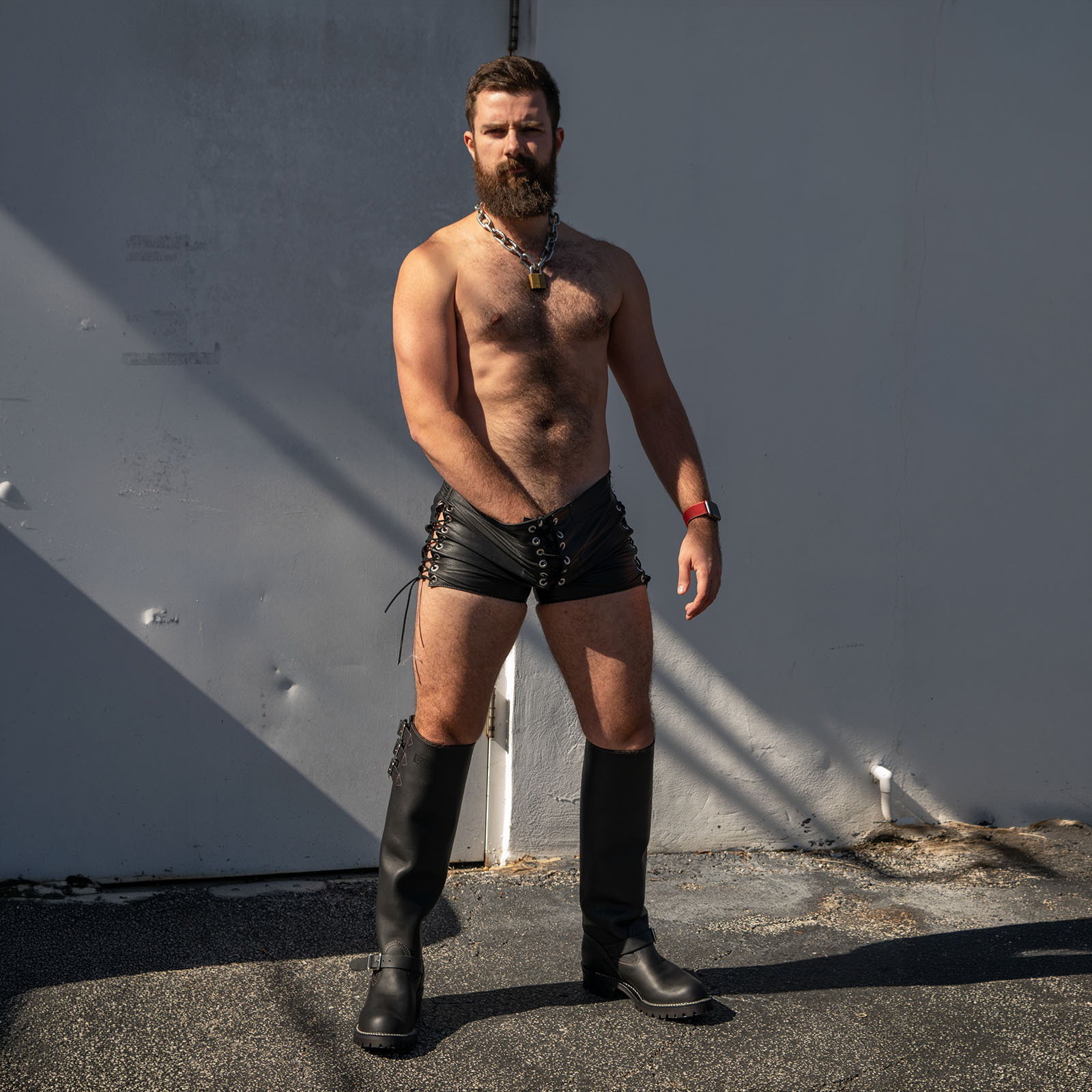
The extended leather shaft creates a dramatic silhouette, particularly when worn over fitted leather pants or with shorts.
Tall engineer boots, lace-up styles, and certain uniform-inspired designs can become the defining feature of an outfit.
Why choose tall boots?
- A striking, unmistakable Leather appearance
- More visible leather when worn over pants or with shorts
- A strong complement to traditional Leatherman gear
- A favorite silhouette among many boot enthusiasts
However, taller boots require particular attention to calf circumference, shaft shape, and ease of movement.
A boot that fits your foot properly may still be too narrow around your calf.
BootWerks Tip: Taller doesn’t automatically mean better. If your first purchase is primarily for walking, dancing, or spending long evenings at Leather events, choose a height that fits comfortably and works with your activities.
Step 2: Finding Your Boot Style
Boot height establishes the silhouette. Style gives the boots their personality.
Several classic designs appear throughout Leather culture, each with its own visual appeal.
Engineer Boots: A Leather Scene Classic
Engineer boots are closely associated with motorcycle culture and traditional masculine footwear.
Their recognizable features typically include a pull-on design, a strap across the instep, and an adjustable strap near the top of the shaft, although details vary by model.
The result is a clean, substantial look without front lacing.
Engineer boots are especially popular with Leathermen who appreciate a traditional, rugged appearance.
Best for: Classic Leather outfits, motorcycle-inspired styling, and anyone attracted to a bold pull-on boot.
Models such as the Wesco Boss demonstrate how engineer styling can range from relatively short boots to imposing tall-shaft designs.
Harness Boots: Hardware with Character
Harness boots feature leather straps and metal hardware that give the footwear a distinctive appearance.
Depending on the model, the harness may wrap around the ankle or incorporate additional design elements.
This style blends classic motorcycle influences with a look that fits naturally into Leather wardrobes.
Best for: Men who appreciate visible hardware, motorcycle-inspired gear, and a strong silhouette without extensive lacing.
A harness boot can look equally at home beneath jeans or as part of a coordinated Leather outfit.
Combat and Lace-Up Boots: Structure and Attitude
Lace-up boots have a long-standing presence in military, uniform, punk, and Leather-influenced styles.
Their appeal comes partly from the visible lacing, structured silhouette, and the process of putting them on.
Unlike most pull-on engineer designs, lace-up boots offer an adjustable closure across portions of the foot and lower leg.
However, that adjustment doesn’t eliminate the need for proper sizing.
Best for: Uniform-inspired outfits, traditional lace-up styling, and buyers who prefer the appearance and adjustment of laces.
For some boot enthusiasts, tightening the laces is an important part of the ritual of getting into gear.
Riding and Uniform-Inspired Boots: Clean, Commanding Lines
Riding and uniform-inspired boots often emphasize a smooth shaft, restrained hardware, and a structured appearance.
Their clean lines complement formal Leather clothing and uniform-influenced outfits.
Best for: Leathermen drawn to polished presentation, disciplined styling, and a less hardware-heavy appearance.
These boots can be particularly striking with carefully fitted leather pants and a coordinated belt or jacket.
Step 3: Getting the Right Fit
A great-looking boot won’t do you much good if you can’t comfortably wear it.
Fit deserves at least as much attention as height and style, especially when you’re investing in substantial leather footwear.
Different manufacturers and models may use different lasts, sizing systems, shaft shapes, and construction methods. Never assume every boot will fit the same way as your everyday shoes.
Start with Your Feet
Before purchasing, pay attention to:
- Foot length and width
- Toe shape and available room inside the boot
- Heel movement while walking
- Pressure across the instep
- The manufacturer’s model-specific fitting guidance
Your toes should have adequate room without feeling compressed. The boot should hold your foot securely without creating painful pressure.
A small amount of heel movement may be normal in some new pull-on boots, but excessive slipping can indicate a poor fit.
Don’t Forget Your Calves
This becomes especially important when choosing taller boots.
Two men with the same shoe size may have very different calf measurements.
Some boots have relatively narrow shafts, while others offer wider calf configurations or adjustable closures.
Before ordering tall boots, measure your calves according to the manufacturer’s instructions and compare those measurements with the chart for the exact model.
Consider whether you intend to wear the boots over leather pants, jeans, or directly against your legs.
The layers you wear can affect the amount of room required inside the shaft.
Understanding the Break-In Process
Many substantial leather boots become more flexible with regular wear, but the experience varies with the leather, construction, and individual fit.
A new pair may feel noticeably firmer than boots you’ve owned for years.
Give yourself time to get accustomed to them.
- Begin with shorter periods of wear
- Use socks appropriate for the boots and conditions
- Pay attention to rubbing, pressure, or numbness
- Increase wearing time as the boots become comfortable
- Follow the manufacturer’s recommendations for break-in and care
Remember: Breaking in boots shouldn’t mean enduring significant pain. Leather can soften and flex, but you shouldn’t expect it to correct a boot that’s fundamentally too small or poorly fitted.
Step 4: Setting a Realistic Budget
Boots can represent a significant investment, particularly when you’re considering established makers and specialized designs.
Prices vary widely depending on the manufacturer, construction, materials, shaft height, and available options.
Rather than setting your budget based on what other men in the scene are wearing, think about how often you’ll use your boots and what matters most to you.
Entry-Level Boots: Start with the Look You Want
Your first pair doesn’t have to be a high-priced specialty boot.
An affordable pair with the right fit and appearance can help you explore your preferences before making a larger investment.
Focus on:
- Fit and sizing information
- Materials and construction appropriate to your needs
- A style you’ll enjoy wearing regularly
- A price that leaves room for other gear
Don’t feel pressured to buy a prestigious brand just to look like you belong.
Mid-Range Boots: Balancing Quality and Price
A larger budget may open the door to additional leather choices, construction styles, and specialized boot designs.
Compare the actual features of each pair rather than assuming a higher price automatically means better quality.
Consider the manufacturer’s reputation, available sizing information, repair options, and how the boots fit your intended use.
The right mid-priced pair may offer everything you need for years of enjoyment.
Premium Boots: Investing in the Pair You Really Want
For some enthusiasts, owning a particular pair of Wesco or Dehner boots is a long-term goal.
Their recognizable silhouettes and associations with Leather culture make certain models especially desirable.
Premium footwear may offer particular construction methods, leather choices, or fit options, depending on the manufacturer and model.
However, not every boot is customizable, resoleable, or available in extended sizes.
Verify those details before purchasing.
If you’ve wanted a specific pair for years, saving for it may be more satisfying than repeatedly buying alternatives that don’t quite deliver the look you love.
BootWerks Tip: Establish a total budget that includes the boots, applicable shipping, socks, and any care products recommended for their specific materials. The best value is a pair you love and can actually wear.
Step 5: Match Your Boots to Your Leather Gear
Think about how your new boots will work with the clothing you already own or plan to purchase.
You don’t need a full Leather wardrobe to start wearing boots, but a little coordination can help create the look you’re after.
Boots with Jeans
Jeans are an easy entry point.
Shorter engineer, harness, and lace-up boots can work well with denim, allowing you to develop your Leather style without committing to an entirely new wardrobe.
Depending on the design, you can wear jeans over the shafts or choose a more visible boot presentation.
Boots with Leather Pants
Leather pants and boots are a classic combination.
Trousers worn over boots create a streamlined silhouette, while pants tucked into taller shafts make the boots a more prominent part of the outfit.
Pay attention to the shape of the pant leg and the available room inside the boot.
Forcing thick material into a narrow shaft can create pressure and an uncomfortable fit.
Boots with Shorts or Leather Breeches
For many men in the Leather scene, tall boots paired with shorts or breeches create a particularly recognizable look.
With the entire shaft visible, the height, shape, buckles, and finish become central to the outfit.
This is one reason tall engineer boots and other high-shaft designs hold such appeal among dedicated boot enthusiasts.
Choose a combination that feels natural to you rather than copying someone else’s gear from head to toe.
Common Mistakes First-Time Boot Buyers Make
Enthusiasm is part of the fun, but a little planning can prevent an expensive disappointment.
Buying for appearance alone: A dramatic silhouette means little if the boots don’t fit properly.
Assuming all manufacturers size the same: Use the guidance for the specific model you’re considering.
Ignoring calf measurements: Particularly with tall pull-on boots, the shaft needs to fit as well as the foot.
Expecting the wrong size to break in: Some leather becomes more flexible, but painful pressure or insufficient room shouldn’t be treated as a normal requirement.
Overspending to fit in: Leather culture isn’t a competition to see who owns the most expensive pair of boots.
Forgetting about care: Different leather finishes and construction materials can require different maintenance. Use products and methods appropriate to your exact boots.
Your First Boots Are Just the Beginning
One of the best things about becoming involved in the Leather scene is discovering your own preferences.
You might begin with a pair of 10-inch lace-up boots and eventually develop an appreciation for towering engineer boots. Or you might find that a classic harness style is exactly what you’ve always wanted.
As you spend time at Leather bars, social gatherings, gear events, and community functions, you’ll encounter different styles and learn what appeals to you.
Ask other boot enthusiasts what they like about their footwear. Talk about construction, fit, polishing, and the details that distinguish one style from another.
Boots can be a natural conversation starter, especially among men who share an appreciation for Leather gear.
And remember, boot worship, dominance, submission, and other fetish interests are personal expressions, not requirements for participating in the community.
There’s room for every kind of boot enthusiast.
Find Your First Pair at BootWerks
Choosing your first boots should be exciting, not intimidating.
At BootWerks, we understand that boots are about more than footwear. They’re part of the way you dress, express yourself, and connect with Leather culture.
Whether you’re exploring classic engineer boots, considering your first tall pair, or looking for a particular style from makers such as Wesco and Dehner, we’re here to help you make an informed choice.
Start with the silhouette that attracts you. Pay attention to fit. Set a budget that works for you. Most importantly, choose boots you’ll be proud to wear.
Your Leather journey doesn’t begin with someone else’s approval.
It begins when you pull on your boots and make the look your own.